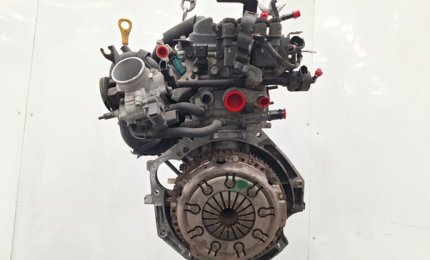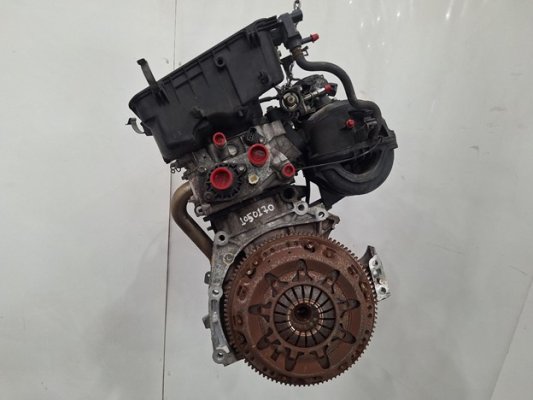
Replacing a Citroën C1 engine is a technical challenge that demands precision. At Trents, we handle thousands of engines every year, including C1 units from all generations.
This guide covers the essentials on when to repair, rebuild, or replace your Citroën C1 engine. We’ll also cover fitment checks, cost breakdowns, and how to avoid mistakes that catch out even experienced DIYers and independent garages.
Key Takeaways
- If you have Citroën C1 engine problems, you’ll have to decide whether to repair, rebuild, or replace it.
- While repair is suited to localised faults, rebuilding is best if the engine block and head are sound. However, you may need to replace the engine in severe situations.
- Citroën C1 engine repairs can vary in cost, starting at around £200 in the UK.
- If you decide on an engine swap, ensure that you're getting a replacement from a reputable source. Green Parts replacements can be cost-effective.
- Common pitfalls with replacing the Citroën C1 engine include skipping compatibility checks, mismatching the replacement ECU/immobiliser, or neglecting the timing belt.
Expert Guidance on C1 Engine Issues
With years of experience in the automotive recycling industry, we are committed to providing sustainable solutions that do not compromise on quality or reliability. Our team sees the full spectrum of C1 engine failures, from timing belt catastrophes to ECU mismatches. Every C1 engine supplied by us undergoes rigorous compatibility and quality checks, reducing the risk of costly installation errors.
Repair, Rebuild or Replace: Making the Right Choice
First, you’ll have to choose between repairing, rebuilding or replacing the engine. It depends on the extent of damage and your technical ability.
Assessing Engine Damage and Solution Options
If your Citroën C1 engine is not starting, begin with a thorough assessment.
Minor issues like oil leaks, worn gaskets, or sensor faults can often be repaired in situ. More serious problems—such as bottom-end knock, heavy oil consumption, or a cracked block—usually require a rebuild or full replacement. Use a compression test, oil analysis, and visual inspection to gauge the severity.
- Repair: Suited to localised faults (e.g., head gasket, timing chain tensioner).
- Rebuild: Appropriate if the engine is tired but the block and head are sound.
- Replacement: Best for catastrophic failures, severe overheating, or if the cost of a rebuild approaches that of a replacement.
Cost Breakdown for Each Solution
| Solution | Typical Parts Cost | Typical Labour Cost | Total Estimated Cost (UK) |
|---|---|---|---|
| Repair | £100–£400 | £100–£200 | £200–£600 |
| Rebuild | £400–£900 | £400–£700 | £800–£1,500+ |
| Replacement | £120–£180 (Green Parts) | £300–£600 | £420–£780+ |
- Repairs (e.g., gaskets, sensors) are cost-effective for minor faults.
- Rebuilds involve new bearings, rings, seals, and often machining—labour-intensive, so costs climb quickly.
- Replacement engines (used or reconditioned) offer reliability if sourced from a reputable supplier like us, with warranty included.
Fitment & Compatibility Essentials
Engine swaps on the Citroën C1 are rarely plug-and-play. Model year changes, engine code variations, and ECU/immobiliser differences can all cause headaches. Our in-house team cross-references every engine’s code, emission standard, and ancillary fitment before dispatch.
Engine, ECU & Immobiliser Compatibility Checks
- Engine code: Always match the engine code (e.g., 1KR-FE for 1.0 petrol, HM01 for 1.2 PureTech) stamped on your old unit.
- ECU: Later C1s, especially PureTech models, have tightly integrated ECUs. Swapping an engine with a mismatched ECU can cause non-start or limp-home mode.
- Immobiliser: Many C1s require the ECU, immobiliser, and key chip to be coded together. If you don’t transfer the original ECU, a professional immobiliser reset or reprogramming is often required.
Timing Belt Issues in Citroën C1 (PureTech Focus)
The 1.2-litre PureTech engine is notorious for timing belt degradation, particularly on early models. Failure to address this can lead to catastrophic engine damage.
Causes, Prevention & Replacement Costs
- Causes: The PureTech’s “wet belt” runs in engine oil. Poor oil quality, extended service intervals, or manufacturing defects accelerate belt wear and delamination.
- Prevention: Use the correct oil specification (low SAPS, as per handbook), change oil at or before the recommended interval, and inspect the belt regularly from 40,000 miles.
- Replacement costs: Timing belt replacement on a C1 PureTech typically costs £300–£600 in the UK (parts and labour). DIY is possible with the right locking tools and a careful approach, but access is tight and mistakes are costly.
Sourcing & Inspecting Quality Replacement Engines
Not all used engines are equal. Buying from a trusted supplier ensures you get a quality-checked Green Part with provenance, warranty, and compatibility support. Green Parts are a sustainable, cost-effective alternative to new or remanufactured units.
Finding Trustworthy Suppliers & Inspection Tips
- Supplier reputation: Look for established vehicle recyclers with transparent testing and warranty policies. We provide detailed engine histories and test results.
- Inspection: Check for clean oil, no excessive sludge or metal particles, and intact timing covers. Ask for compression test results and verify the engine code matches your vehicle.
- Warranty: Always confirm warranty terms. Our Green Parts engines come with a clear warranty.
Common Mistakes & Pitfalls to Avoid
Most C1 engine swap issues stem from skipped compatibility checks, ECU/immobiliser mismatches, or neglecting the timing belt. These mistakes can turn a straightforward job into a costly headache.
Compatibility, ECU & Timing Belt Oversights
- Compatibility: Fitting an engine with the wrong code or from a different generation can affect the Citroën C1 engine mount, wiring, or emission control issues. We have seen C1s fail MOTs due to incompatible engines.
- ECU/Immobiliser: Swapping ECUs without proper coding often results in non-starts. Always plan for an immobiliser reset or transfer the full ECU/key set.
- Timing belt: Installing a used engine without changing the timing belt will cost you more in the long-run. We regularly supply replacement belts and kits alongside engines to prevent immediate failures.
Ready to Replace Your Citroën C1 Engine?
A successful Citroën C1 engine replacement hinges on correct fitment, verified compatibility, and attention to detail. Trents supplies compatibility-checked Green Parts engines, with clear warranty and technical support, making your next swap as straightforward as possible.
For quality-checked C1 engines and expert advice, see our Citroën C1 engine listings, or browse all C1 parts. For further help, contact our team.
FAQs
What engine is a Citroën C1?
The Citroën C1 typically features a 1.0-litre three-cylinder petrol engine, known for its reliability and efficiency. Some models also come with a 1.2-litre PureTech engine, which offers more power but requires careful maintenance, particularly regarding the timing belt. Citroën C1 engines are actually supplied by Toyota. The C1 was launched in a joint project between Peugeot and Toyota in 2005, alongside the Peugeot 107 and Toyota Aygo.
What are common Citroën C1 engine problems?
Oil leaks are a common issue that Citroën C1 owners might encounter. These leaks often stem from worn gaskets or seals that allow oil to escape. Over time, this can lead to reduced lubrication, increasing friction and wear on engine components. Spotting oil leaks early is crucial to prevent more severe engine damage and costly repairs.
Is the Citroën C1 cheap to repair?
For cost-conscious drivers, the Citroën C1 is often considered a budget-friendly choice. It offers low running costs, affordable repairs, and good fuel efficiency. With parts readily available from suppliers like us, maintaining a C1 is generally economical, especially when opting for quality-checked Green Parts.
Can I replace a Citroën C1 engine myself?
It depends on your technical skill and the nature of your Citroën C1 engine issues. Replacing a car engine is a complex task that requires significant mechanical expertise and the right tools. Each vehicle model has specific requirements, so consulting a service manual is essential. While DIY engine replacement is possible, it is often recommended to seek professional assistance to avoid costly mistakes.