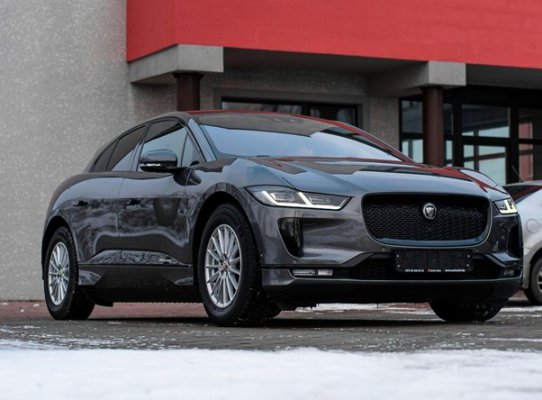
The Jaguar I-Pace delivers instant torque, smooth acceleration, and premium comfort. But like any electric vehicle, it comes with its own set of maintenance challenges. From battery performance to body repairs, understanding common faults can help you act early and keep costs under control.
This guide breaks down Jaguar I-Pace repairs into practical steps, helping you diagnose issues, decide on fixes, and source cost-effective Jaguar I-Pace parts so you can get back on the road in no time.
Key Takeaways
- Most Jaguar I-Pace problems are predictable and easier to manage when caught early.
- Battery and Jaguar I-Pace charging issues often come down to software, connectors, or cooling systems.
- The Jaguar I-Pace electric motor is reliable, but faults can be expensive if ignored.
- Body repairs, including the Jaguar I-Pace front bumper and Jaguar I-Pace rear bumper, are often cheaper with used parts.
- Choosing quality Jaguar I-Pace replacement components can significantly reduce repair costs.
Jaguar I-Pace Repairs: What Owners Need To Know
Electric vehicles remove many traditional servicing tasks, but they introduce new systems that require attention. The Jaguar I-Pace engine is fully electric, meaning fewer moving parts but greater reliance on electronics, software, and battery health.
Most of the Jaguar I-Pace’s problems fall into a few categories: battery performance, charging reliability, drive unit wear, and electrical faults. The key is knowing what to look for and acting early before minor issues become expensive repairs.
Battery And Charging System Repairs
The battery system is central to the I-Pace. When issues arise here, they affect everything from range to drivability.
Common Problems And Warning Signs
Typical Jaguar I-Pace battery problems include:
- Sudden drops in range
- Charging taking longer than expected
- Warning messages related to battery health
- Reduced performance or power output.
Many Jaguar I-Pace charging issues stem from faulty charging ports, worn connectors, or software glitches rather than the battery itself.
Fixing Charging Faults And When To Replace Components
Start with diagnostics. Software updates often resolve Jaguar I-Pace charging issues, especially in earlier models. If the issue persists, inspect:
- Charging cables and connectors
- Onboard charger components
- Cooling systems linked to battery performance.
If degradation is confirmed, a Jaguar I-Pace replacement battery module may be required, though this is rarer than smaller component fixes.
Top tip from the workshop:
Before replacing expensive battery components, always rule out charging infrastructure faults. A faulty home charger can mimic serious Jaguar I-Pace battery problems.
Drive Unit (Electric Engine) Repairs
The drive unit is the EV equivalent of a traditional powertrain. The Jaguar I-Pace electric motor delivers strong performance but still requires monitoring.
Symptoms Of Drive Unit Failure
Watch for:
- Unusual whining or grinding noises
- Loss of power or uneven acceleration
- Warning lights linked to drivetrain faults.
While the Jaguar I-Pace engine has fewer wear components, the drive unit still includes bearings and electronics that can fail over time.
Repair Or Replace: What Makes More Sense?
Minor faults can often be repaired, particularly if limited to sensors, wiring, or control units linked to the Jaguar I-Pace electric motor. In many cases, issues that appear serious are traced back to communication errors between modules or degraded connectors rather than the motor itself. These types of faults are usually resolved through targeted repairs or component swaps rather than a full strip-down.
However, when there is confirmed internal wear, such as bearing failure, overheating damage, or persistent power loss, a full Jaguar I-Pace replacement drive unit becomes the more reliable option. While this is a more involved repair, sourcing quality used Jaguar I-Pace parts can significantly reduce costs compared to buying new, especially when the replacement unit has been tested and comes from a low-mileage vehicle.
Suspension And Brake Repairs
Despite regenerative braking, the I-Pace still relies on traditional suspension and braking systems.
Signs Of Wear In Suspension And Braking Systems
Signs include:
- Knocking noises over bumps
- Uneven tyre wear
- Reduced braking performance
- Vibration through the steering wheel.
Keep in mind that the heavy battery weight means suspension components can wear faster than expected. The I-Pace’s battery pack weighs in at around 600–700kg and is mounted low across the floor of the vehicle. While this helps with stability and handling, it also means the suspension is constantly supporting significantly more weight than in a typical petrol or diesel SUV.
Over time, this added load accelerates wear on key components such as bushings, control arms, and dampers. You may notice the car feeling less composed over bumps, sitting slightly lower than usual, or developing knocks and vibrations earlier than expected.
Replacing Key Components To Restore Performance
Replacing worn bushes, dampers, or brake discs can restore handling and safety. Many owners opt for used Jaguar I-Pace parts to reduce costs without compromising reliability.
Top tip from the workshop:
If you are replacing brake discs, check pads at the same time. Even if they look serviceable, uneven wear can reduce braking efficiency after new discs are fitted.
Body Panels And Exterior Repairs
Body damage is among the most typical repair areas, especially in urban driving.
Common Damage To Panels And Exterior Parts
Typical issues include:
- Cracks or scuffs on the Jaguar I-Pace front bumper
- Parking damage affecting the Jaguar I-Pace rear bumper
- Scratches, dents, or broken trim.
The I-Pace’s design means even minor impacts can affect sensors embedded in panels.
Repairing Vs Replacing Panels And Trim
Small cosmetic damage can often be repaired. However, cracked panels or sensor-affected components usually require a Jaguar I-Pace replacement part.
Using high-quality used Jaguar I-Pace front bumper or Jaguar I-Pace rear bumper components can reduce costs while maintaining original fit and finish.
Headlights And Lighting System Repairs
Lighting faults are another frequent issue, particularly in vehicles with advanced LED systems.
Diagnosing Headlight And Electrical Faults
Typical problems with Jaguar I-Pace headlights include:
- Flickering or dim output
- Full headlight failure
- Dashboard warnings linked to lighting systems.
Note that faults may lie in the unit itself or the control modules. In many cases, the issue sits within the LED driver or adaptive lighting system rather than the headlight unit as a whole. Wiring faults, moisture ingress, or voltage inconsistencies can also trigger intermittent failures, which is why a proper diagnostic scan is essential before committing to a full replacement.
Replacing Lighting Units And Control Components
If diagnostics confirm failure, replacing the full unit is often the most reliable solution.
You can source quality, tested I-Pace headlight units from Trents to keep costs manageable and avoid compatibility issues.
Top tip from the workshop:
Before fitting a replacement headlight, check for moisture inside the housing and inspect the wiring connectors for corrosion. Water ingress is a leading cause of Jaguar I-Pace headlights failure, and if it is not addressed, the replacement unit can fail in the same way.
Jaguar I-Pace Repair Costs And How To Save Money
Repair costs vary widely depending on the issue. Battery-related work is typically the most expensive, while body and suspension repairs are more manageable.
To reduce costs:
- Diagnose accurately before replacing parts
- Use quality used Jaguar I-Pace parts where appropriate
- Prioritise preventative maintenance.
Remember that many of the Jaguar I-Pace’s issues become expensive only when ignored for too long.
Sourcing Replacement Parts For Jaguar I-Pace
Finding reliable parts is key to keeping repairs affordable.
Trents offers a wide range of replacement parts for Jaguar I-Pace, including body panels, mechanical components, and electrical systems.
For more specialised repairs, you can also explore:
Choosing the right Jaguar I-Pace replacement parts helps maintain performance while keeping costs under control.
Keeping Jaguar I-Pace Repairs Cost-Effective
Owning an electric vehicle like the I-Pace changes how you approach repairs. By understanding the most prevalent Jaguar I-Pace problems, acting early, and choosing the right Jaguar I-Pace parts, you can keep your vehicle running smoothly without overspending.
From resolving Jaguar I-Pace battery problems to replacing a Jaguar I-Pace front bumper, smart repair decisions keep performance up and costs down. Talk to us if you’d like to know more about our available Jaguar I-Pace vehicles and range of quality, tested used parts.
FAQS
What Are The Most Common Problems With The Jaguar I-Pace?
The most frequent issues include Jaguar I-Pace battery problems, Jaguar I-Pace charging issues, electrical faults, and wear in suspension components. Body damage to areas like the Jaguar I-Pace rear bumper is also typical.
Are Used Jaguar I-Pace Parts Reliable?
Yes, high-quality used Jaguar I-Pace parts from reputable suppliers are tested and can offer the same performance as new parts at a significantly lower cost.
How Can I Reduce Jaguar I-Pace Repair Costs?
Accurate diagnostics, early intervention, and choosing the right Jaguar I-Pace replacement components are the most effective ways to keep repair costs down.