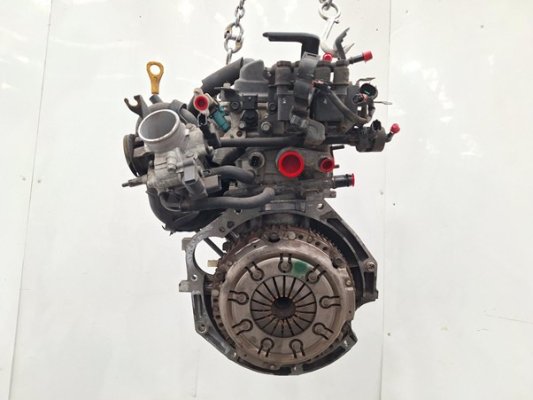
Hyundai i10 engine replacement is a major job. As a vehicle recycler, we regularly handle Hyundai i10 engines and see many of the common issues that can lead to repair or replacement. In this guide, we'll cover the warning signs of engine problems, typical replacement costs, and the key considerations when diagnosing, repairing, or replacing a Hyundai i10 engine.
Key Takeaways
- Rod bearing and timing chain issues are common causes of Hyundai i10 engine failure.
- To prevent serious engine damage, it’s important to diagnose and address the problem as soon as possible.
- Engine replacement is often the most practical option after major internal engine failure.
- Hyundai i10 engine replacement costs vary. Green Parts can help you keep costs down.
- Common pitfalls of Hyundai i10 engine swaps include ordering incompatible engine variants, missing sensors or mounts, and failing to reset the ECU after installation.
Diagnosing, Repairing & Replacing Hyundai i10 Engines
Thorough diagnosis is essential before any engine work. The i10’s compact engines are relatively robust if maintained, but certain faults are well-known. Here’s how to spot and address the most common problems.
Rod Bearing and Timing Chain Problems Explained
Rod bearing failure typically causes a deep knocking noise from the bottom end, especially on cold starts. Oil pressure lights, metal in the oil, or a seized engine are late-stage signs. If caught early, a bottom-end rebuild may be possible. In most cases, a replacement engine is required.
Hyundai i10 timing chain problems are also common. Timing chain stretch or failure causes rattling from the front of the engine, rough idle, misfires, or even complete non-start. Ignoring timing chain noise can result in catastrophic valve and piston damage. Early intervention (replacing the chain and tensioner) can save the engine. If you put it off for too long, replacement may be your only option.
Troubleshooting Non-Starting Engines
Hyundai i10 engine not starting? Several causes may be to blame. Check the following:
- Battery voltage: Should be 12.4–12.7V at rest. Lower voltage may cause non-start.
- Starter motor and connections: Check for corrosion or loose terminals.
- Immobiliser and key: Faults here can prevent cranking.
- Fuel delivery: Listen for the fuel pump priming; check fuses and relays.
- Crank and cam sensors: Faulty sensors are a common cause of no-start.
If basic checks don’t reveal the fault, further diagnosis with a scan tool is essential.
Diagnostic Comparison Table
| Symptom | Likely Cause | Quick Check | Repair/Replacement Needed |
|---|---|---|---|
| Knocking noise | Rod bearing wear | Oil pressure, noise source | Engine rebuild or replacement |
| Rattling on start | Timing chain stretch | Listen at chain cover | Chain kit or engine swap |
| No crank | Battery, starter, key | Voltage, starter relay | Battery/starter/immobiliser |
| Cranks, no start | Sensors, fuel, timing | Scan tool, fuel pressure | Sensor/chain/ECU repair |
Repair vs Replacement: Costs, Process & Fitment
Choosing between engine repair and replacement depends on the type and extent of damage, your budget, and available skills. Here’s how the options compare:
- Repair (e.g., head gasket, timing chain, or rod bearings): Cheaper if damage is limited, but labour-intensive. Typical UK costs range from £300–£1,200, depending on parts and labour.
- Replacement (used, reconditioned, or Green Part engine): More predictable outcome, especially after catastrophic failure. Expect £800–£2,000 for a quality engine, plus £500–£1,000 for professional fitting.
A full engine swap is often the most cost-effective solution after major internal failure, especially when using a quality-checked Green Part from a trusted supplier like Trents.
Engine Removal, Fitment Steps & Cost Breakdown
Engine removal and fitment on the i10 involves:
- Disconnecting the battery and draining fluids.
- Removing ancillaries (alternator, air con, exhaust, wiring).
- Unbolting engine mounts and separating the engine from the gearbox.
- Lifting the engine out using a hoist.
- Transferring components (sensors, manifolds) to the replacement engine.
- Reinstalling with new gaskets and fluids, and reconnecting all wiring.
Professional skill is vital—incorrect torque, missed connections, or poor alignment can cause immediate failure. Labour costs in the UK typically add £500–£1,000, depending on workshop rates and complexity.
Ensuring Compatibility & Quality with Green Parts
Matching the correct engine to your Hyundai i10 is critical. Variations in engine codes, years, and transmission types mean even minor differences can prevent proper fitment. Trents’ team checks every Green Part engine for compatibility, using VIN, engine code, and transmission details to ensure a perfect match.
All engines are inspected, cleaned, and prepared before dispatch. This includes checking for leaks, compression testing, and verifying all sensors and ancillaries are present where required.
Benefits of Quality-Checked Green & Certified Engines
Choosing a Green Part engine from Trents offers several advantages:
- Cost savings: Recycled engines are significantly cheaper than new or dealer-supplied units.
- Environmental impact: Reusing engines reduces waste and carbon footprint.
- Reliability: Every engine is quality-checked, with known mileage and history.
- Warranty: All Trents Green Parts come with a clear warranty for peace of mind.
Common Mistakes, Pitfalls & Safety Precautions
Engine work on the Hyundai i10 is not for the faint-hearted. The most common mistakes are:
- Ordering the wrong engine variant: Even a single digit in the engine code can make a difference.
- Missing sensors or mounts: Swapping engines often requires transferring or replacing ancillaries.
- Failing to reset the ECU: Modern i10s may need immobiliser or ECU programming after installation.
- Underestimating hidden costs: Fluids, gaskets, and new bolts add up quickly.
Safety is paramount; always use proper lifting equipment, torque settings (as per the specific engine generation), and follow safe working practices.
Avoiding Costly Oversights & Ensuring Safe DIY Repairs
To avoid expensive mistakes:
- Double-check engine codes and compatibility before purchase.
- Transfer all required sensors and ancillaries from your old engine.
- Use the correct tools, including engine hoist, torque wrenches, and diagnostic equipment.
- Never rush timing or torque procedures. Refer to the correct manual for your exact engine.
- If in doubt, consult a professional. Trents’ team is available for fitment advice and support.
Ready to Replace Your Hyundai i10 Engine?
Trents’ specialists supply quality-checked, correct-fit Green Part engines for the Hyundai i10, saving you time, money, and hassle. Every engine is prepared for reliable installation, with compatibility and warranty guaranteed.
For the right engine, delivered fast, see our Hyundai i10 engine listings or all i10 parts. For fitment advice or technical questions, contact our team.
FAQs
How do I reset or retrofit a new Hyundai i10 engine?
After fitting a replacement engine, you may need to reset the ECU using a compatible scan tool. Some i10 models require immobiliser pairing or software updates. Always check wiring compatibility and sensor connections, as minor differences between engine variants can cause running issues.
How much does a replacement engine for the Hyundai i10 cost?
A quality engine may cost between £800 to £2,000. To have it fitted professionally, it can cost between £500 and £1,000. Depending on the complexity of your problem, replacement can be cheaper than repair. To reduce costs, use a quality-checked Green Part from a trusted supplier like Trents.
What can cause Hyundai i10 engine problems?
Common issues include rod bearing failure, timing chain problems, and low battery voltage. Faults in the immobiliser and key, fuel delivery, or starter motor can also cause engine issues.
How do you verify an engine fitment before purchasing it?
Match the engine code from your vehicle’s VIN plate or logbook to the donor engine. Confirm year, transmission type, and any unique features (such as sensor locations).