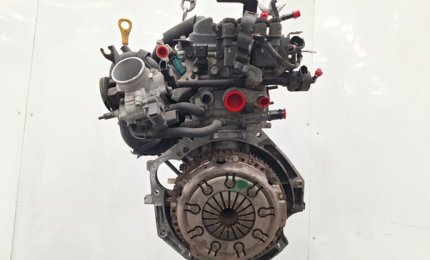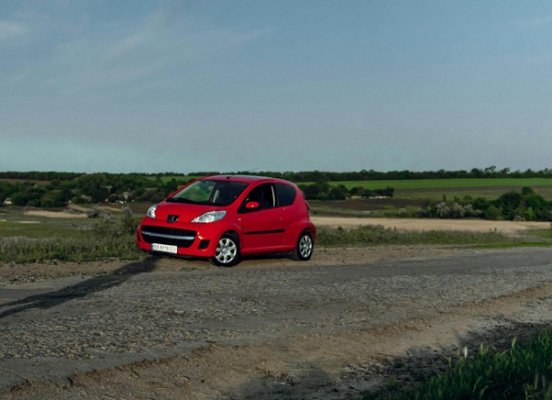
Peugeot 107 engine swaps are a practical solution for extending the life of this popular city car. However, it’s important to ensure careful fitment as well as compatibility checks.
If you’re dealing with Peugeot 107 engine problems, this guide is for you. Below, we share real-world experience and tips to help you avoid costly mistakes.
Key Takeaways
- For Peugeot 107 engine swaps, the most important thing is to ensure that you’re buying a compatible replacement engine. Check the engine codes.
- You’ll also want to ensure compatibility by looking at the year, emissions standards, mounting points, and wiring connectors.
- If you have the right tools, equipment, and technical skills, you can DIY a Peugeot 107 engine swap.
- You can expect to pay £400 to £900 for a DIY swap, and between £700 to £1,500+ for a professional fitting. Opt for Green Parts to reduce your costs.
- Common mistakes with these replacements include misreading engine codes, overlooking ECU differences, ignoring fitment and wiring issues, and not testing the engine after replacing it.
How to Source Compatible Peugeot 107 Engines
Peugeot 107 engines are shared with the Citroën C1 and Toyota Aygo, but fitment is not always straightforward.
Engine codes determine compatibility — even small differences can affect mounting points, wiring, and emissions compliance. Trent’s team routinely checks codes, ancillaries, and year-specific details to guarantee correct fitment.
Decoding 1KR-FE vs 1KR-B52 Engines
The Peugeot 107 most commonly uses the 1KR-FE engine, a 1.0-litre, 3-cylinder petrol unit. Later models (mainly post-2014) may feature the 1KR-B52 engine. While both are 1.0-litre and share similar architecture, key differences include:
- Emissions systems: 1KR-B52 engines are Euro 6 compliant, with different exhaust gas recirculation and catalytic converter setups.
- ECU mapping: The 1KR-B52 uses updated software and sometimes different sensors.
- Ancillary fittings: Mounts, wiring, and sensors may differ, affecting direct swap feasibility.
It is possible to swap between the 1KR-FE and 1KR-B52 engines, but it requires transferring ancillaries and potentially updating the ECU and wiring.
Identifying Genuine Engine Labels and Codes
Locate the engine code stamped on the engine block, usually on a machined flat near the gearbox bellhousing.
Peugeot 107 codes are typically three characters (e.g., CFB for 1KR-FE). Cross-check this with your V5C logbook and service manual. Genuine codes are deeply stamped and match the vehicle’s build sheet — beware of worn, restamped, or painted-over numbers on used engines.
Compatibility Checklist for Donor Engines
Before purchasing a donor engine, confirm:
- Exact engine code matches your original unit.
- Year and emissions standard are compatible (especially Euro 4 vs Euro 5/6).
- Mounting points and brackets align with your subframe.
- Wiring connectors and sensor types are identical.
- Ancillary components (alternator, starter, manifolds) are present or transferable.
- Service history and compression test results (if possible).
Trent’s team can assist with code checks and compatibility queries for all Peugeot 107 engines in stock.
Peugeot 107 Engine Replacement Process, Tools & Cost Breakdown
A Peugeot 107 engine swap is a major job. But with the right preparation and tools, it’s manageable. Below is a realistic overview for both DIYers and professionals.
Tools and Equipment Needed
Essential tools for a Peugeot 107 engine swap:
- Engine hoist or crane
- Heavy-duty axle stands and jack
- Socket and spanner set (including deep sockets)
- Torque wrench (specs vary by engine — consult manual)
- Screwdrivers, pliers, pry bars
- Fuel line disconnect tools
- OBD2 diagnostic scanner
- Workshop manual (model/year specific)
- Drip trays and fluid catch pans
- Labelled bags/tags for bolts and connectors
Specialist items may include a timing chain locking tool (if removing ancillaries) and a coolant system vacuum fill tool.
Step-by-Step Peugeot 107 Engine Replacement Guide
- Disconnect battery and depressurise fuel system.
- Drain engine oil and coolant completely.
- Remove bonnet for access (if required).
- Disconnect wiring harnesses, fuel lines, and coolant hoses from the engine.
- Remove exhaust manifold and downpipe connections.
- Support engine and gearbox with hoist and stands.
- Unbolt engine mounts and gearbox bellhousing bolts.
- Separate engine from gearbox and lift out of bay.
- Transfer ancillaries (alternator, starter, sensors, manifolds) from old to replacement engine as needed.
- Lower replacement engine into bay, align with gearbox and mounts.
- Reconnect mounts, wiring, hoses, and exhaust.
- Refill fluids (oil, coolant), prime fuel system.
- Reconnect battery, check all connections.
- Start engine, check for leaks, run diagnostics and clear fault codes.
- Test drive and monitor for warning lights or abnormal noises.
Peugeot 107 Engine Swap Costs: Parts, Labour, and Extras
| Item | Typical Cost (UK, 2024) |
|---|---|
| Used/Green Engine | £300–£700 |
| Labour (independent garage) | £300–£600 |
| Gaskets, fluids, filters | £50–£100 |
| Ancillary parts (clutch, sensors) | £50–£200 |
| ECU reprogramming | £50–£150 |
| Total (DIY) | £400–£900 |
| Total (Professional) | £700–£1,500+ |
Green Parts from Trent are supplied with warranty and delivery options. They can help reduce your overall costs while offering a sustainable alternative to purchasing a new engine.
ECU, Sensors, Legal & Emissions Considerations
Engine swaps on modern cars like the Peugeot 107 require careful attention to electronic and legal requirements.
Ensuring ECU and Electronics Compatibility
The ECU (engine control unit) must match the engine’s sensors and wiring. Swapping to a different engine code or generation often requires:
- Transferring the original ECU or matching the donor’s ECU, immobiliser, and key transponder.
- Checking sensor types (e.g., crank/cam sensors) for plug compatibility.
- Verifying wiring loom pinouts to prevent misfires or non-start issues.
A diagnostic scan tool is essential for clearing fault codes and confirming correct operation after installation.
Emissions and Legal Compliance
UK law requires the replacement engine to meet or exceed the original emissions standard. Key points:
- MOT compliance: The car must pass the MOT emissions test for its year.
- Registration update: Notify DVLA of engine change, providing the new engine number.
- Emissions equipment: Retain all original catalytic converters, EGR valves, and sensors.
Fitting an older or lower-spec engine can result in MOT failure or registration issues.
Common Mistakes, Troubleshooting & FAQ
Trent regularly helps customers resolve issues caused by avoidable errors during Peugeot 107 engine swaps. Here’s what to watch for and how to troubleshoot.
Misinterpreting Engine Codes
Misreading or assuming engine codes are interchangeable leads to major fitment and running issues. Always verify the code on the block, not just paperwork or supplier listings.
Overlooking ECU/Sensor Differences
Assuming all 1.0-litre engines are alike results in non-starts, warning lights, or limp mode. Match sensors, wiring, and ECUs precisely, especially between 1KR-FE and 1KR-B52 variants.
Ignoring Fitment and Wiring Issues
Neglecting to check mounting points, wiring connectors, or ancillary compatibility can delay the job or cause damage. Double-check every bracket, plug, and hose before installation.
Post-Swap Testing & Troubleshooting
After installation:
- Scan for fault codes and clear any historic errors.
- Check for oil, coolant, and fuel leaks.
- Monitor engine temperature and warning lights during the first drive.
- Listen for abnormal noises (knocks, rattles, misfires).
- Confirm smooth idle and throttle response.
If issues arise, recheck wiring, sensor connections, and ECU compatibility.
Ready to Replace Your Peugeot 107 Engine?
A successful Peugeot 107 engine swap depends on matching engine codes, verifying fitment, and sourcing quality-checked parts. Trent’s expertise in Peugeot fitment and commitment to thoroughly prepared Green Parts means you can buy with confidence.
For the right engine, ancillaries, and advice, browse Peugeot 107 engines in stock or see all available Peugeot 107 parts. For technical queries, contact Trent’s experienced team.
FAQs
Can I swap a 1KR-B52 engine into my 1KR-FE 107?
It’s possible but not plug-and-play. The 1KR-B52 has different emissions controls, sensors, and ECU mapping. You’ll need to transfer ancillaries and may require ECU and wiring modifications for reliable operation.
How much does a Peugeot 107 engine swap cost?
For a DIY swap, you can expect to pay £400 to £900, assuming you already have the correct tools. For a professional fitting, you might be charged £700 to £1,500+. To save money, consider opting for Green Parts.
What are some common Peugeot 107 engine problems?
While the Peugeot 107 engine is generally considered reliable, some problems can occur. Water pump failure, clutch wear, and ECU-related starting issues are potential causes of engine faults.
How long do Peugeot 107 engines last?
These engines can last around 100,000 to 150,000 miles with proper maintenance. Many people report this model running past 180,000 miles. Regular services can improve the lifespan of your engine.