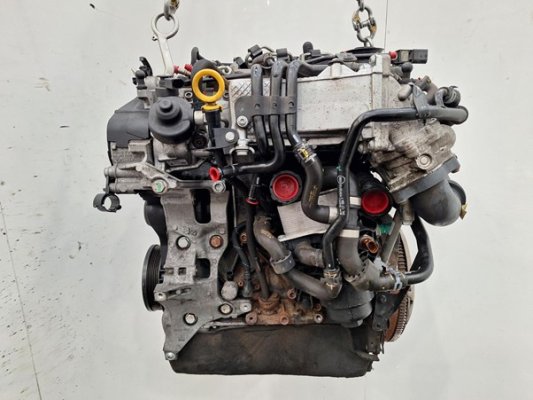
Replacing an Audi A1 engine is a technical job that requires meticulous planning, correct fitment, and a clear understanding of costs and compatibility. This guide provides expert advice on Audi A1 engine replacement, costs, swap options, how to assess damage, and the critical checks every owner or independent garage should follow.
Key Takeaways
- Always match the exact engine code to avoid compatibility issues.
- Common Audi A1 engine problems include timing chain wear, overheating, and ECU faults.
- A typical Audi A1 engine replacement cost ranges from £850 to £2,700+ fitted.
- Minor faults can often be repaired without a full engine swap.
- Poor installation is one of the biggest causes of repeat failure.
- Used engines can offer strong value if properly checked and documented.
Assessing Engine Damage: Repair or Replace?
Before committing to an engine replacement, it’s essential to diagnose the issue properly. Many faults that seem serious can actually be repaired at a lower cost.
Minor issues such as oil leaks, sensor faults, or early timing chain wear can often be fixed without replacing the full engine. However, more severe failures—like a cracked block, seized internals, or bottom-end knock—typically require a complete replacement.
Start with a compression test, check for oil contamination, and inspect for overheating damage. If the engine has suffered catastrophic failure, replacement is usually the safest and most cost-effective long-term solution.
| Symptom/Check | Repair Possible? | Replacement Required? | Notes |
|---|---|---|---|
| Minor oil leaks | Yes | No | Replace seals/gaskets |
| Timing chain rattle | Yes (if caught early) | Sometimes | Replace chain/tensioner; serious damage may need swap |
| Overheating | Sometimes | Sometimes | Check for warped head/cracked block |
| Low compression | Sometimes | Yes (if severe) | Head rebuild or full replacement |
| Rod knock/seizure | No | Yes | Complete engine replacement required |
| Repeated misfires | Sometimes | Sometimes | Check injectors, coils, ECU before replacing engine |
Common Audi A1 Engine Problems
Understanding typical Audi A1 engine problems helps you decide whether repair or replacement is the right route.
Frequent issues include:
- Timing chain stretch or tensioner failure
- Overheating leading to warped cylinder heads
- Turbocharger wear on TFSI engines
- Carbon build-up in direct injection engines
- Audi A1 engine control unit system fault (ECU-related issues affecting performance or starting).
ECU faults can sometimes mimic major engine failure, so it’s important to rule out electrical issues before replacing the engine.
Audi A1 Engine Types, Compatibility & Fitment
The Audi A1 has been produced with several petrol and diesel engines, including:
- 1.0 TFSI
- 1.2 TFSI
- 1.4 TFSI
- 1.6 TDI
Each engine has a unique code (e.g. CAXA, CAVE, CFHD), and this must match exactly when sourcing a replacement. Even small differences between engine variants can lead to fitment issues.
Key compatibility checks:
- Engine code (must match exactly)
- Fuel type (petrol vs diesel)
- Gearbox compatibility
- ECU and wiring differences
- Emissions standard (Euro 5 vs Euro 6).
Skipping these checks is one of the most common causes of failed engine swaps.
Audi A1 Engine Replacement Cost (UK)
The total Audi A1 engine replacement cost depends on the type of engine and how the work is carried out.
Typical UK price ranges:
- Used engine: £250–£1,500
- Remanufactured engine: £2,000–£3,500
- New engine (dealer): £4,900–£6,500
- Labour: £600–£1,200.
In most cases, a quality used engine offers the best balance between cost and reliability.
Sourcing a Replacement Engine
When buying a used engine, quality and traceability are key. Not all engines on the market are tested or properly documented.
Before purchasing, make sure you:
- Verify the engine code matches your vehicle
- Request mileage and service history where available
- Check for signs of overheating or oil sludge
- Confirm what components are included (turbo, injectors, ancillaries).
Trents supplies used engines for a wide range of Audi models, working with both trade and retail customers across the UK. Our experience in vehicle recycling means they regularly handle engines from different model years and engine codes, although availability will vary depending on stock.
Engines are removed from donor vehicles, inspected, and tested before being listed for sale. As with any used part, confirming compatibility—particularly engine code and specification—is crucial to reduce the risk of fitment issues.
Installation Risks and Common Mistakes
Incorrect installation is a leading cause of engine failure after replacement. Even a good engine can fail quickly if fitted incorrectly.
Common mistakes include:
- Installing the wrong engine variant
- Reusing worn ancillary components
- Incorrect torque settings
- Missing earth connections
- Not flushing oil and cooling systems.
Professional installation is strongly recommended, especially for modern engines with complex electronics.
Warranty Considerations
Most used engines come with a parts-only warranty, which typically covers the engine itself but not labour costs. Always read the warranty terms carefully before purchase.
Warranties may be void if:
- The engine is incorrectly installed
- Oil or coolant contamination occurs
- Required components (e.g. timing kit) are not replaced
- The engine is modified or misused.
Related Engine Guides
If you're comparing options across the Audi range, these guides may help:
Ready to Replace Your Audi A1 Engine?
If your Audi A1 is off the road with a serious engine issue, the priority is getting back behind the wheel with confidence—not facing the same problem again a few months later. Replacing an Audi A1 engine is a significant undertaking, but with the right checks and preparation, it can be a straightforward and worthwhile investment. Focus on accurate diagnosis, correct engine matching, and proper installation to avoid costly mistakes. If you're sourcing a replacement, prioritise quality, documentation, and compatibility over the lowest price—this is what ultimately determines long-term reliability.
FAQs
Is the Audi A1 engine reliable?
Most Audi A1 engines are reliable when properly maintained and can exceed 250,000 km. Issues usually arise from missed servicing, particularly with timing components and oil quality.
Does the Audi A1 have a turbo?
Yes, most Audi A1 engines are turbocharged, including the 1.0 TFSI and 1.4 TFSI. These engines balance performance and fuel efficiency but require regular maintenance.
What are common Audi A1 engine problems?
Typical problems include timing chain wear, overheating, turbo issues, and ECU faults. Many of these can be resolved if caught early.
Is it worth replacing an Audi A1 engine?
It depends on the condition of the car. If the rest of the vehicle is in good shape, replacing the engine—especially with a quality used unit—can be more cost-effective than buying another car.