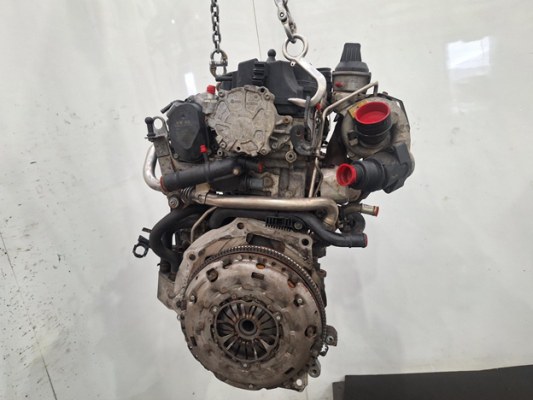
Replacing or upgrading an Audi TT engine is a significant undertaking, even for experienced DIYers and independent garages. At Charles Trents, we have extensive experience with engine replacements of all shapes and sizes, and we see the challenges owners face, especially around compatibility, electronics, and hidden costs. This guide offers practical, expert advice about an Audi TT engine replacement, focusing on fitment, swap options, and how to avoid expensive mistakes. If you're comparing across models, it's also worth understanding how engine replacement differs in similar vehicles like the Audi A3 or smaller platforms, such as the Audi A1, as many engines are shared across the VW Group.
Key Takeaways
- Matching the engine code, ECU, and wiring is essential for a successful Audi TT engine replacement.
- Engines are not interchangeable across generations without major modification.
- VVT and non-VVT engines require different electronics and ECU setups.
- A used engine is often the most cost-effective solution, but checks are critical.
- Full engine swaps (e.g. TTRS or VR6) are complex and best suited to experienced builders.
- Budget at least 20% extra for unexpected costs such as wiring or ECU work.
Audi TT Engine Compatibility Essentials
Getting the right Audi TT engine is the most important part of any replacement or swap. Even small differences in engine code or electronics can lead to major issues.
Key compatibility factors include:
- Engine code (e.g. BAM, CDL, DAZA)
- Model year and generation
- Gearbox type (manual, DSG, quattro)
- ECU and immobiliser compatibility
- Ancillaries (turbo, sensors, wiring loom).
Audi TT engines span multiple engine families and codes across generations, which is why even engines with similar displacement may not be directly compatible.
If you're sourcing a replacement, it’s worth browsing available stock from a reputable supplier.
Used engines can be a practical option, provided they are properly tested. Trents, for example, supplies recycled “Green Parts,” as a cost-effective, sustainable option. Always confirm documentation, mileage, and compatibility before purchase.
VVT vs Non-VVT Engines
Later Audi TT models commonly use Variable Valve Timing (VVT), which improves efficiency and performance through electronically controlled camshaft timing. Non-VVT engines lack this system, which simplifies wiring and ECU requirements, but offers less flexibility.
Why This Matters
Swapping between VVT and non-VVT engines is not straightforward:
- ECU and sometimes instrument-cluster compatibility becomes an issue
- Wiring looms may differ significantly
- This pairing without proper modifications may cause fault codes, limp mode or non-start conditions.
In most cases, a like-for-like replacement is the safest and most cost-effective route.
Model Years and Fitment Guide
The Audi TT spans three main generations:
- Mk1 (8N, 1998–2006): 1.8T (VVT and non-VVT), 3.2 VR6
- Mk2 (8J, 2006–2014): 2.0 TFSI, 2.5 TTRS, 3.2 VR6
- Mk3 (8S, 2014–present): 1.8 TFSI, 2.0 TFSI, 2.5 TTRS.
Engines from different generations are not directly interchangeable. Even within the same generation, verify engine code, gearbox (manual, DSG, quattro), and emissions equipment. For example, a Mk1 1.8T “BAM” engine will not directly swap with a Mk2 “CDL” 2.0 TFSI without extensive modification.
ECU and Electronics Considerations
Modern Audi TT models rely heavily on integrated electronics.
Before replacing an engine, check:
- ECU part number compatibility
- Immobiliser pairing (mismatch can immobilise the car or trigger fault codes)
- Key transponder integration
- CAN-bus system requirements.
In some cases, you may need:
- ECU reprogramming
- Full wiring loom transfer
- Matching donor vehicle components.
These challenges are not unique to the TT, similar issues arise in larger platforms, particularly in more complex builds like those covered in the Audi A4 engine swap guide.
Ignoring these factors is one of the most common causes of failed engine swaps.
Audi TT Engine Replacement & Swap Options
There are three main approaches to replacing an Audi TT engine:
1. Standard Replacement
This approach offers the best balance of cost, reliability, and simplicity. It is the most straightforward option and involves fitting a like-for-like engine.
Basic steps:
- Preparation: Disconnect battery, drain fluids, and label all wiring and hoses.
- Removal: Remove the bonnet, ancillaries (alternator, turbo, intake, exhaust), and unbolt engine mounts. Use an engine crane to lift the engine clear.
- Transfer: Swap over required ancillaries, sensors, and mounts from the old engine to the replacement.
- Installation: Lower the replacement engine, align mounts, and reconnect all wiring and hoses.
- Commissioning: Refill fluids, check for leaks, and perform initial start-up checks. Scan for fault codes and verify correct operation.
2. Performance Upgrades
Performance upgrades are less invasive, retain factory reliability, and are reversible. Upgrades suit those wanting a power increase without major surgery. Instead of a full Audi TT engine swap, many owners opt for these upgrades:
- Hybrid turbochargers
- ECU remaps
- Performance exhaust systems.
These upgrades:
- Are less invasive
- Retain factory reliability
- Can be reversed if needed.
3. Full Engine Swaps
Full swaps offer more power but require significant time, fabrication, and electronics work. They are best suited to experienced builders or specialist garages.
In some cases, repair may be more cost-effective than a full replacement. Even in smaller models like those covered in the Audi A1 engine replacement guide, engine replacements can quickly become complex due to tight engine bays and modern electronics.
More ambitious builds include:
- 1.8T → 2.0 TFSI
- 2.0 TFSI → TTRS (2.5 five-cylinder)
- VR6 conversions.
These swaps require:
- Custom fabrication
- Extensive wiring changes
- ECU and immobiliser integration
- Cooling and exhaust upgrades.
TTRS and VR6 Swap Challenges
Swapping in a TTRS (2.5 five-cylinder) or VR6 (3.2 six-cylinder) engine into a standard TT is a major project. Key challenges include:
- Physical fitment: The VR6 is larger and heavier, requiring custom mounts and sometimes subframe modification.
- Wiring: The TTRS engine uses advanced electronics and CAN-bus integration. Expect to rewire much of the car, including the ECU, dash, and immobiliser.
- Cooling and exhaust: Both engines require upgraded cooling and custom exhaust routing.
- Gearbox: The stock gearbox may not handle the extra power and upgrades or swaps are often needed.
Audi TT Engine Replacement Cost Guide
Here’s a realistic breakdown of Audi TT engine replacement cost in the UK:
| Option | Parts | Labour | Hidden Costs | Notes |
|---|---|---|---|---|
| Head gasket repair | £400–£900 | £500–£800 | Skimmed head, fluids, timing kit | May require additional machining |
| Used engine replacement | £800–£2,500 | £1,000–£2,000 | Gaskets, fluids, mounts, ECU work | Most common option |
| Rebuilt engine | £2,000–£4,000 | £1,000–£2,000 | Ancillaries, sensors, programming | Higher reliability |
| Full engine swap | £3,000–£8,000+ | £2,000–£5,000 | Custom parts, fabrication, wiring | Highly variable |
General hidden costs to consider:
- ECU programming
- Wiring repairs
- New gaskets and fluids
- Mounts and sensors
- Delivery and warranty charges.
Essential Tools and Equipment
For DIY Audi TT engine replacement, you’ll typically need:
- Engine crane/hoist: For safe removal and installation.
- Comprehensive socket and spanner set: Including Torx and spline bits.
- Torque wrench: For critical fasteners (specs vary by engine).
- OBD diagnostic tool: To clear codes and verify operation.
- Engine stand: For prepping the replacement engine.
- Labelled bags and markers: To keep track of bolts and wiring.
- Workshop manual: For torque specs, wiring diagrams, and procedures.
Hiring tools can reduce upfront costs but should be factored into your budget.
Common Audi TT Engine Problems
Before replacing your engine, it’s worth confirming the fault. Common Audi TT engine problems include:
- Timing chain or belt failure
- Oil consumption issues (especially TFSI engines)
- Turbocharger failure
- Coil pack faults
- PCV valve issues.
Engine Sourcing & Condition Checks
When buying a replacement Audi TT engine, always check:
- Engine code and VIN compatibility
- Mileage and service history (where available)
- Compression or leak-down test results
- Signs of leaks or damage
- Wiring and sensor compatibility.
Reputable suppliers may offer inspected recycled engines and warranty options, but always verify what is included.
Ready to Replace Your Audi TT Engine?
Correct fitment is everything in an Audi TT engine replacement. Matching the correct engine, understanding the electronics, and budgeting realistically will save time and money. Whether you’re planning a straightforward replacement or a full Audi TT engine swap, taking a structured approach is key to a reliable outcome. Trents supplies inspected recycled (“Green Parts”) engines for a wide range of Audi TT models, with warranty options available. Availability can vary, so checking current stock and compatibility is essential before purchase.
FAQ: Audi TT Engine Replacement
How much does an Audi TT engine replacement cost?
The Audi TT engine replacement cost typically ranges from £1,800 to £4,500 for a standard replacement. More complex swaps can exceed £8,000.
What is the Audi TT engine rebuild cost?
An Audi TT engine rebuild cost typically falls between £2,000 and £4,000 depending on the extent of damage.
Can I do an Audi TT engine swap myself?
A standard replacement is possible for experienced DIYers. Complex swaps involving ECU or wiring changes are best left to professionals.
Can I use a non-VVT engine?
A non-VVT engine can only be used in a VVT-equipped Audi TT with significant modifications. This includes ECU changes, wiring alterations, and possible loss of VVT-related functions. For most owners, direct replacement with a matching VVT engine is strongly advised.
How complex is a TTRS swap?
A TTRS swap is highly complex, involving major wiring changes, ECU integration, custom mounts, and upgraded transmission and cooling. Even experienced garages often require specialist support. Budget significant time and resources for this conversion.