If your Ford Fiesta starter motor is not working, it can leave you stuck with a car that won’t start at all. Common symptoms include clicking noises, slow cranking, or complete silence when turning the key.
As a leading UK vehicle recycler, Charlie Trents has supplied and inspected thousands of Ford Fiesta starter motors for every generation and engine type. This guide distils that expertise, explaining Ford Fiesta starter motor problems, how to locate the unit, and the steps involved in a full replacement. You’ll also learn about realistic costs and how to source the correct part without overpaying.
Key Takeaways
- A faulty starter motor in a Ford Fiesta typically causes clicking, slow cranking, or no start.
- The ford fiesta starter motor location is usually near the gearbox bell housing.
- Replacement typically takes 1–3 hours, depending on engine type.
- Costs range from £100–£300+ new, or significantly less for recycled parts.
- Always match parts by registration or engine code to avoid fitment issues.
Common Ford Fiesta Starter Motor Problems
Before jumping into a Ford Fiesta starter motor replacement, it’s important to confirm the fault. Starter-related issues are often confused with battery or alternator problems.
MM example: symptom to cause visual - horizontal strip with 3-4 symptoms paired with the most likely differentiation point. E.g. single clicks > check voltage battery, rapid clicking > low voltage or poor earth etc.
Typical symptoms include:
- A single loud click when turning the key
- Rapid clicking but no engine crank
- Slow or sluggish cranking
- Intermittent starting issues
- Dashboard lights working, but the engine not turning.
If the battery is healthy and the issue persists, the starter motor is a likely cause. In some cases, it may be worth checking related components such as the alternator.
Trents’ Expertise & Starter Motor Types
The Trents team handles hundreds of these components each month, supporting independent garages and DIYers with correct-fit parts and technical advice. The Ford Fiesta range (from Mk5 to Mk8) uses several starter motor variants, depending on engine size, fuel type, and production year.
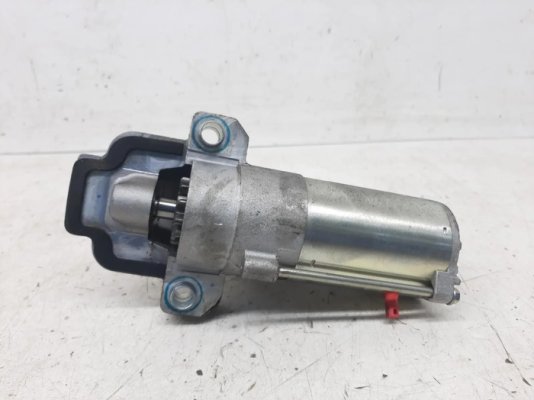
Most Fiestas use a pre-engaged starter motor, which combines the solenoid and motor in a single unit. Earlier petrol models often use a compact, two-bolt design. Later diesels and EcoBoost engines may have larger, three-bolt units with different electrical connectors. Compatibility is determined by engine code, transmission type, and sometimes by subtle changes between model years. Always cross-check part numbers or use your Fiesta’s registration to avoid fitment issues.
Locating & Accessing the Starter Motor
The starter motor on a Ford Fiesta is typically mounted low on the engine block, adjacent to the gearbox bell housing. Its exact position and the best access route depend on whether your Fiesta is petrol or diesel:
Petrol vs Diesel Access Points
| Engine Type | Starter Location | Typical Access Route | Key Challenges |
|---|---|---|---|
| Petrol | Front/rear of engine, near gearbox. | Above or below, often from engine bay. | May require airbox or battery tray removal; easier bolt access. |
| Diesel | Rear of engine, under intake/battery. | Usually from above, battery tray out. | Tighter space, more components to remove, awkward bolt angles. |
Understanding the location is essential before attempting your ford fiesta starter motor removal, as access can significantly affect job time.
Tools Needed & Bolt Sizes for Starter Motor Removal
To carry out a ford fiesta starter motor removal, you’ll typically need:
- 10mm, 13mm, 15mm sockets
- Ratchet with extensions
- Universal joint (for tight access)
- Spanners (10mm, 13mm)
- Flat-blade screwdriver
- Torque wrench (recommended)
- Gloves and eye protection.
Bolt sizes:
Most Fiesta starter motors use 13mm or 15mm bolts for mounting. Electrical terminals are typically 10mm or 13mm nuts. Always confirm on your vehicle, as sizes can vary by engine and year.
Always disconnect the battery before starting any work.
Battery tray removal:
- Disconnect the negative battery terminal (10mm spanner).
- Remove the battery clamp and lift out the battery.
- Undo the battery tray bolts (usually 10mm or 13mm).
- Carefully lift out the tray. Watch for attached wiring or ECU brackets on some models.
Remove any additional components (airbox, intake ducting) obstructing access to the starter.
Step-by-Step Removal & Installation Guide
Replacing a starter motor is a manageable DIY job if you’re comfortable working in tight engine bays.
MM example: annotated image of a starter motor and the parts and their placements that should get removed.
Removal
- Disconnect the negative battery terminal
- Remove the battery and tray if required
- Locate the starter motor near the bell housing
- Disconnect wiring:
- Main power cable (usually 13mm nut)
- Solenoid wire
- Remove mounting bolts (typically 2–3 bolts)
- Carefully withdraw the starter motor.
Installation
- Position the replacement unit correctly
- Hand-tighten mounting bolts
- Torque bolts to manufacturer specifications (typically within 20–40Nm depending on engine)
- Reconnect wiring securely
- Reinstall removed components
- Reconnect battery and test
Take care to avoid loose connections, as these are a common cause of ford fiesta starter motor problems after installation.
Common Mistakes & Safety Precautions
When carrying out a ford fiesta starter motor replacement, watch out for:
- Failing to disconnect the battery. This risks short circuits or electrical shock.
- Mixing up wiring connections. Label all wires before removal to avoid misfires or no-start.
- Incorrect torque or loose bolts. Can cause starter misalignment or vibration.
- Using the wrong starter motor. Always match by part number or VIN—incorrect units may not fit or function.
- Rushing battery tray removal. Trapped wiring or broken clips can lead to further electrical faults.
Work methodically. Keep track of all fixings. If in doubt, consult a workshop manual or Trents’ technical team for advice.
Costs, Sourcing & Green Parts Advice
The ford fiesta starter motor replacement cost can vary depending on how you source the part:
- New or premium aftermarket: £100–£300+
- Recycled (used) starter motor price: often £20–£80 depending on availability
- Labour: £100–£200 at an independent garage.
This means a total cost of roughly £200–£500+ if fitted professionally.
Choosing a recycled unit can significantly reduce the overall Ford Fiesta starter motor price, especially for older vehicles, where keeping costs down is a priority.
Trent’s Green Parts are a cost-effective, sustainable choice. Each unit is tested for function, cleaned, and checked for wear. This reduces waste and offers a reliable alternative to new or remanufactured units, with a warranty and nationwide delivery. To source the correct starter for your Fiesta, browse compatible options from Trents, or explore all available parts for your vehicle.
For fitment queries or technical advice, contact the Trents team.
If you're tackling multiple repairs, related guides may also help:
FAQs
How much does it cost to replace a starter motor on a Ford Fiesta?
The total ford fiesta starter motor replacement cost is usually between £200 and £500+, including parts and labour. Costs are lower if you use recycled parts or carry out the work yourself.
What are the signs of a broken starter motor?
Common ford fiesta starter motor problems include clicking noises, slow cranking, intermittent starting, or the engine not turning over at all despite electrics working.
How long does it take to change a starter motor on a Ford Fiesta?
Changing a starter motor on a Ford Fiesta typically takes between 1 to 3 hours. Petrol models are usually quicker, while diesel engines may take longer due to limited access.
Can I replace my starter myself?
Yes, DIY replacement is possible if you have basic tools and mechanical confidence. However, tight access and electrical connections can make the job more challenging on some models.