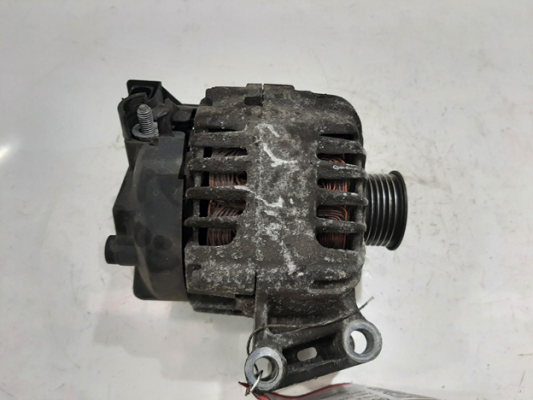
Replacing a Ford Fiesta alternator requires careful diagnosis, correct part selection, and a methodical approach. With decades of experience in vehicle recycling, Trents supplies tested used alternators for a wide range of vehicles. Parts are checked prior to sale and typically include a warranty for added reassurance. As with any recycled component, confirming compatibility with your specific vehicle is important to help avoid ordering issues. This guide explains how to identify Ford Fiesta alternator problems, test for faults, choose the correct replacement, and carry out a safe installation, using practical, real-world advice.
Key Takeaways
- Common Ford Fiesta alternator issues include dim lights, battery warning lights, and repeated flat batteries.
- A healthy charging system should read 13.8–14.5V with the engine running.
- Correct fitment depends on engine code, year, and pulley type.
- Typical Ford Fiesta alternator replacement cost ranges from £80 to £250 (part only).
- Inspect the Ford Fiesta alternator belt, tensioner, and pulleys during replacement.
- Always confirm the fault before replacing to avoid unnecessary expense.
Why Trust Trents Green Parts Expertise
Trents supplies tested used alternators for a wide range of vehicles, drawing on decades of experience in vehicle recycling. Parts are checked before sale and typically include a warranty, although coverage can vary depending on the component.
When choosing an alternator, particularly for models like the Ford Fiesta, details such as engine code, specification, and electrical compatibility are crucial. Trents can provide guidance on part matching, which can help reduce the risk of ordering an incompatible unit.
Green Parts are recycled original (OEM) components removed from donor vehicles. As a result, they can offer a more cost-effective option than new parts while also supporting reuse and reducing waste. As with any replacement part, confirming compatibility before purchase remains essential.
Diagnosing and Confirming Alternator Failure
Before replacing an alternator Ford Fiesta, it’s important to confirm the issue. Many charging faults are caused by batteries, wiring, or belt problems—not the alternator itself.
Symptoms: Flickering Lights & Battery Issues
Common signs of a failing Fiesta alternator include:
- Flickering or dim headlights (especially at idle or under load).
- Battery warning light on the dashboard (may flicker or stay on).
- Slow engine cranking or repeated flat battery episodes
- Electrical accessories (wipers, blower, radio) losing power or behaving erratically.
If multiple symptoms appear together, the alternator is a likely cause.
Testing and Confirming Alternator Problems
Start with a visual inspection, check the Ford Fiesta alternator belt for wear, and look for loose or corroded connections.
Then test voltage using a multimeter:
| Test Step | Healthy Reading | Faulty Indication |
|---|---|---|
| Battery (engine off) | 12.4 – 12.7V | Below 12.2V (weak battery) |
| Battery (engine running) | 13.8 – 14.5V | Below 13.5V (weak charge) |
| Voltage drops with load | Stays above 13.5V | Drops below 13V |
If voltage doesn’t rise with the engine running, or dips significantly with lights or heater on, the alternator is likely faulty. Always check for blown fuses and poor earth connections before condemning the alternator.
Ford Fiesta Alternator Location
The Ford Fiesta alternator is typically located at the front of the engine, driven by the auxiliary (serpentine) belt.
- On most models, it sits high and visible near the top of the engine.
- On tighter engine bays (e.g. some EcoBoost models), access may be more restricted.
Knowing the location helps when diagnosing belt issues or planning removal.
Choosing and Sourcing the Correct Fiesta Alternator
Selecting the right Ford Fiesta alternator is critical. Incorrect units can cause charging faults, belt misalignment, or electrical issues.
Alternator Types and Pulley Variants
- Standard fixed pulley—basic models, usually older Fiestas.
- Overrunning alternator pulley (OAP)—allows the alternator to ‘freewheel’ on deceleration, reducing belt wear.
- Overrunning alternator decoupler (OAD)—adds a spring-damped mechanism for smoother operation, common on EcoBoost and later engines.
Pulleys are not always interchangeable. Always match the pulley type and diameter to your original unit.
Verifying Fitment
Use your VIN or engine code to confirm compatibility. This ensures:
- Correct electrical output
- Proper mounting alignment
- Matching pulley system.
When sourcing parts, using a supplier that checks fitment against registration or VIN can help avoid costly mistakes. Browse compatible options via the Trents’ Fiesta parts catalogue, or view available alternators directly.
Replacement Options, Costs and Value
Alternators are available as new, remanufactured, or Green Parts. Each option has its place, but value and reliability can vary significantly. Understanding Ford Fiesta alternator cost helps you choose the right option for your budget.
New vs Remanufactured vs Green Parts
- New alternators (£130–£250): Offer OE performance and warranty, but are the most expensive. Ideal for newer Fiestas still under warranty or where absolute longevity is critical.
- Remanufactured alternators (£90–£160): Cost less, with many internal components replaced. Quality varies by supplier; always check for warranty and test certification.
- Recycled (Green Parts) (£80–£120): Recycled alternators are typically inspected and tested before resale, making them a practical option for older vehicles. Warranty terms and testing standards vary by supplier, so always check before purchasing.
Labour Costs
Professional Ford Fiesta alternator replacement labour usually costs:
- £50–£100 depending on garage and access difficulty
Step-by-Step Fiesta Alternator Replacement Guide
Replacing a Fiesta alternator is manageable for competent DIYers with basic tools. Accuracy and safety are paramount. Rushing or skipping steps risks electrical damage or injury.
Safety First
- Disconnect the negative battery terminal before starting—prevents shorts and accidental airbag deployment.
- Wear gloves to protect from sharp edges and hot surfaces.
- Ensure the engine is completely cool before working near belts or the alternator.
- Keep tools and parts organised to avoid confusion during reassembly.
Removing and Fitting the Alternator
- Disconnect the battery (negative terminal first)
- Locate the alternator—usually front of engine, near the top
- Release belt tension using a spanner or belt tensioner tool; note routing for refitting
- Remove the serpentine belt from the alternator pulley
- Unplug electrical connectors—main charge cable (secured with a nut) and plug connector (release tab)
- Remove alternator mounting bolts (usually 2 or 3; note their position and length)
- Extract the old alternator—may require gentle wiggling if stuck
- Compare the new unit to the old—check mounting points, pulley type, and electrical connections match
- Fit the new alternator—secure with bolts to the manufacturer’s torque (varies by engine; check service data)
- Reconnect electrical connectors—ensure tight, corrosion-free contact
- Refit the serpentine belt, checking correct routing and tension
- Reconnect the battery and start the engine—check for warning lights and proper charging voltage
Check the Belt, Tensioner and Pulleys
The Ford Fiesta alternator belt and associated components should always be inspected during replacement.
Replace if you notice:
- Cracks or fraying
- Glazing or slipping
- Noisy or loose pulleys.
This helps prevent repeat failures and improves long-term reliability.
Common Mistakes and How to Avoid Them
- Incorrect alternator fitment—always match by VIN, engine code, and pulley type; don’t rely on generic listings.
- Failing to disconnect the battery—risks electrical shorts or ECU damage.
- Poor belt tension—too loose causes squeal and poor charging; too tight strains bearings.
- Mixing up electrical connectors—label wires if unsure.
- Neglecting to check output after fitting—verify charging voltage with a multimeter before finishing the job.
- Skipping belt/tensioner inspection—old components can cause premature alternator failure.
Follow the steps above and use trusted suppliers like Trent’s for correct-fit parts to avoid these errors.
Related Ford Fiesta Repair Guides
If you're working on your Fiesta, these guides may also help:
Ready to Replace Your Fiesta Alternator?
Correct alternator fitment is crucial for reliable charging and long-term engine health. Getting the correct Ford Fiesta alternator and confirming the fault before replacement makes a significant difference to both cost and reliability. Focus on accurate diagnosis, proper fitment, and checking related components like the belt system. If you’re unsure about compatibility or sourcing, using a supplier that can match parts to your vehicle details can help reduce risk and ensure a smoother repair.
Ford Fiesta Alternator Replacement FAQ
How much does a Ford Fiesta alternator replacement cost in the UK?
The Ford Fiesta alternator replacement cost typically ranges from £80 to £250 for the part, plus £50–£100 labour. Costs vary depending on engine type and part quality.
Can I drive with a faulty alternator?
Only for a short distance. If your Ford Fiesta alternator is not charging, the battery will eventually drain, causing the vehicle to stop.
Can I Replace the Alternator Pulley Separately?
Yes, on some Fiesta alternators the pulley can be replaced if it’s worn or noisy. However, pulley type (OAP/OAD/fixed) must match exactly, and specialist tools are often required for removal and refitting.
When Should I Seek Professional Help?
If you lack the correct tools, are unsure about electrical systems, or encounter seized bolts or wiring issues, use a professional. Complex faults, such as charging circuit errors or repeated battery drain, also warrant expert diagnosis.